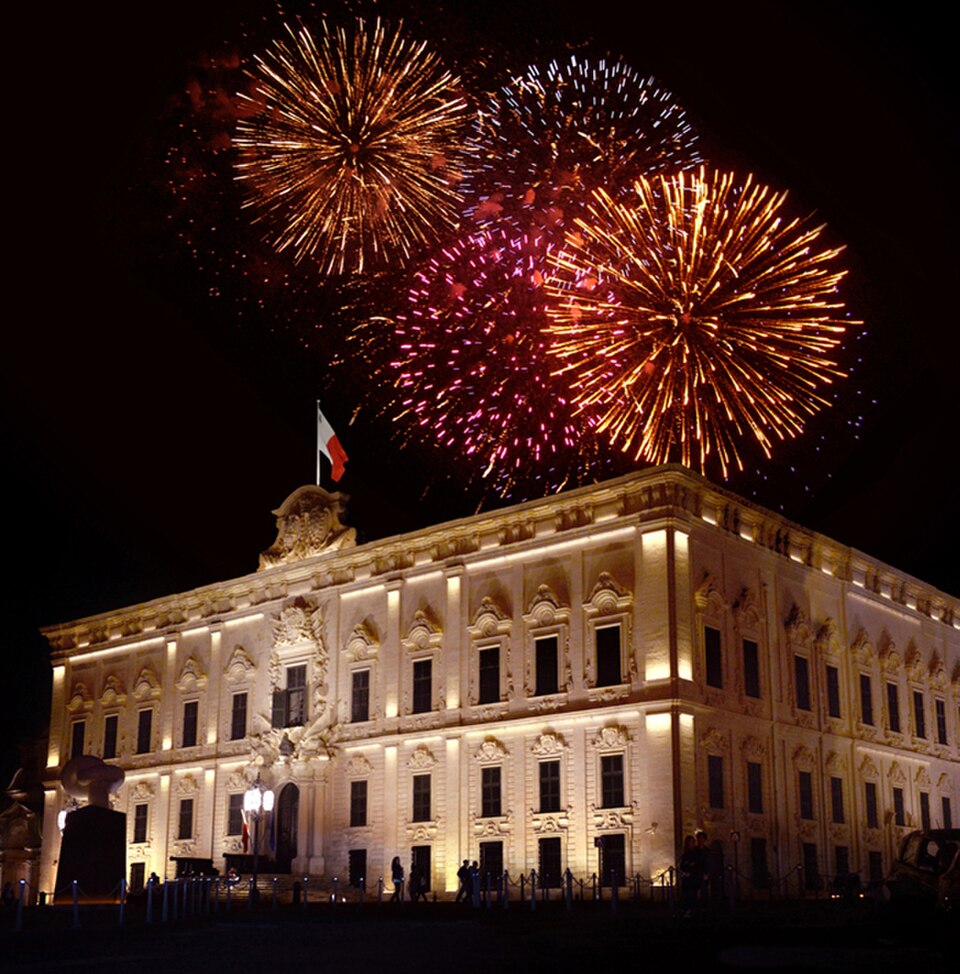
August is Malta’s peak feast season, with over 33 village feasts happening from the beginning of the month right until the end. Renowned for pyrotechnics, food, and music, the Maltese feast experience is not to be missed
And when you stay at Number 11, you’ll be right in the heart of the island, surrounded by easily accessible public transport options that will take you from Number 11 to any village feast that you desire.
Why does August have so many village feasts?
The Feast of the Assumption is celebrated in seven different localities all around the island, and every year, each village competes with the others to outdo the decorations, activities, processions and fireworks. On top of that, it’s also a public holiday on the Maltese islands, and it’s popular for businesses to shut down during Santa Marija week to give their employees a long break, meaning the locals can go out and celebrate the Feast of the Assumption easily.
A festa is normally a week-long affair, planned for months, so when the time finally comes around to hang the banners and display the patron saint, the villages go all out!
Here’s five happening in August that you absolutely should go to.
August 6 – Lija – The Transfiguration of Our Lord
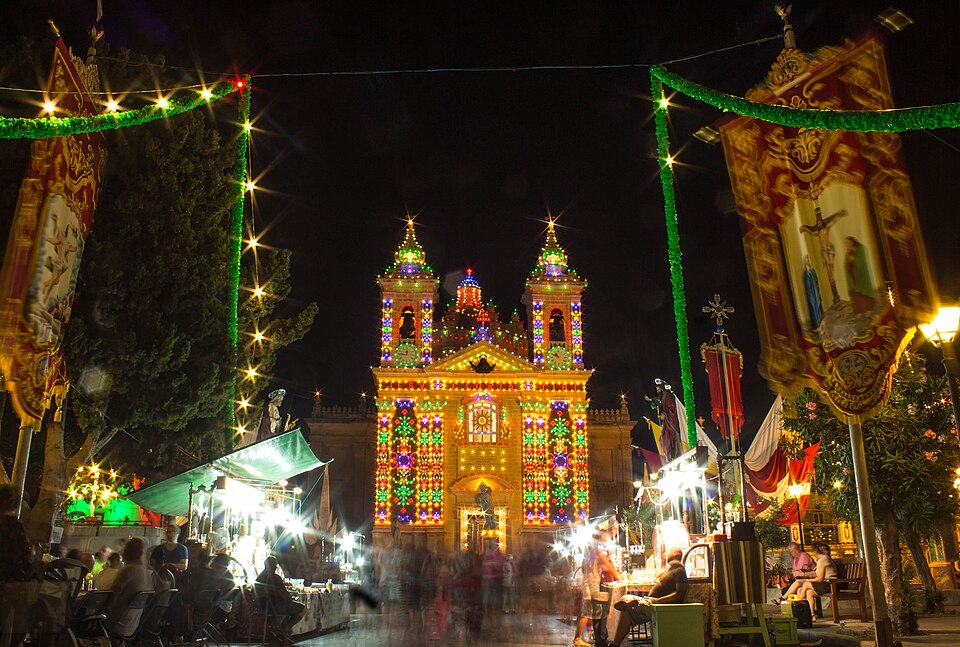
Photo credit: Matthew Benn
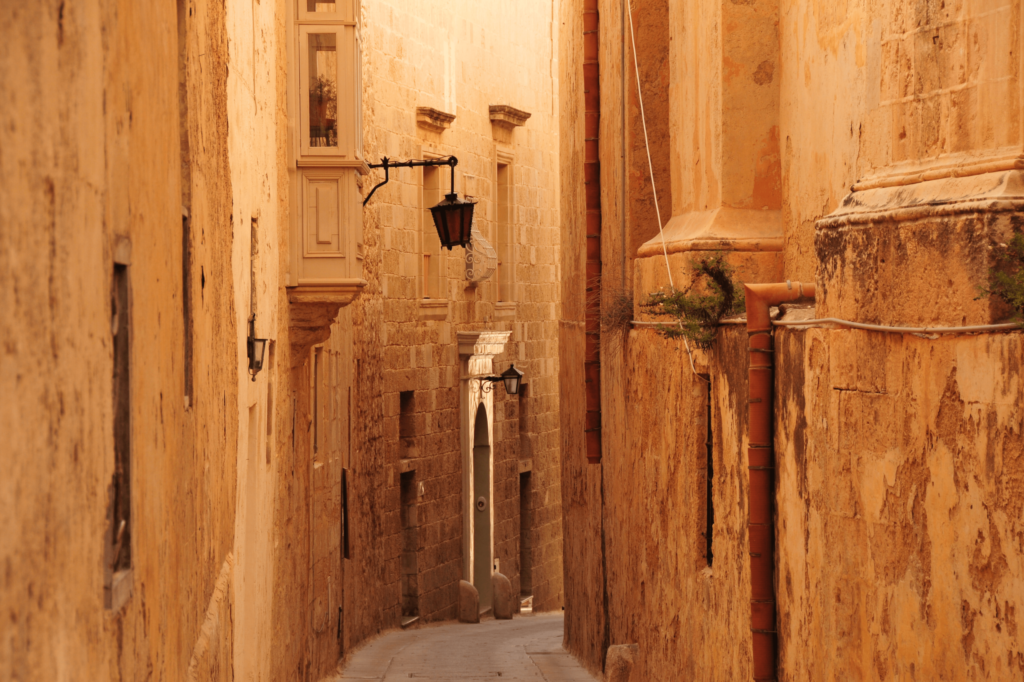
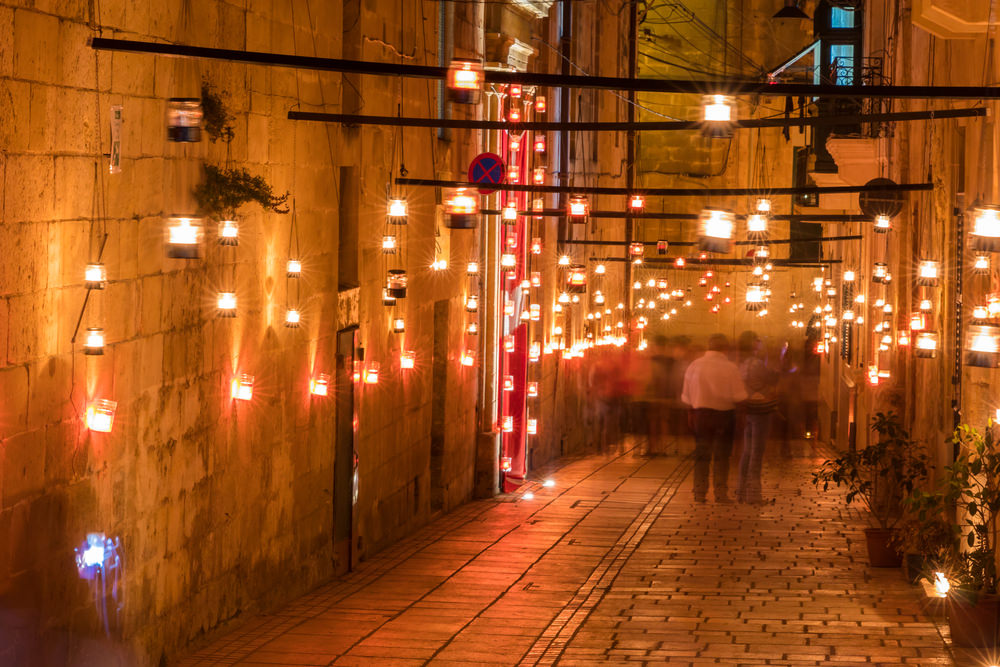
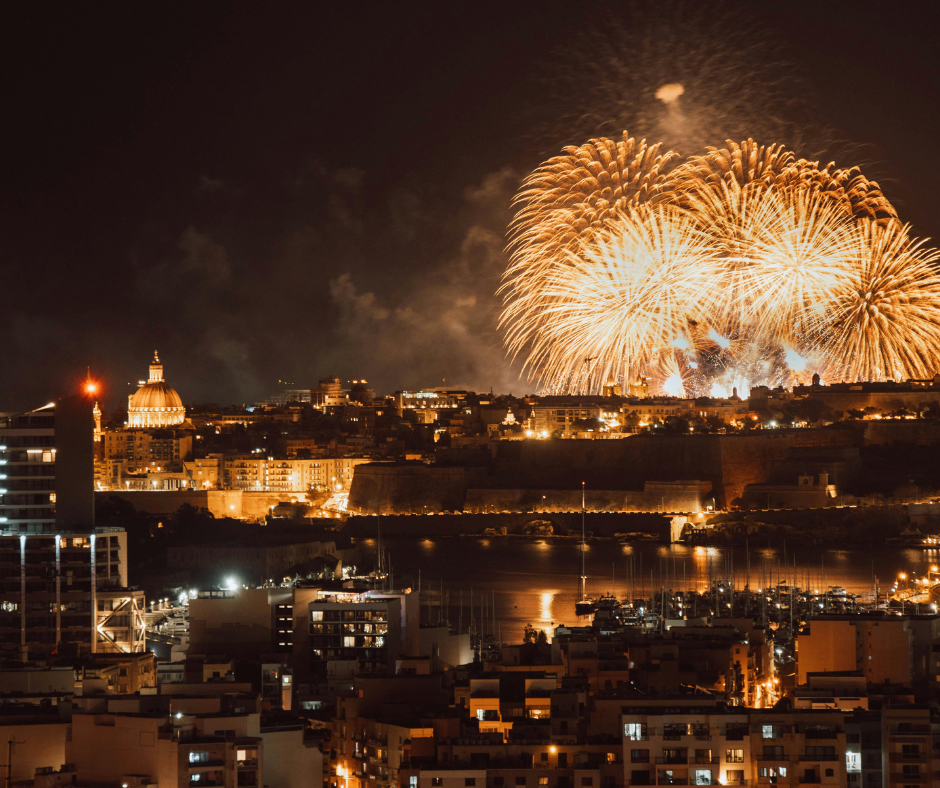
Love fireworks? You’ll love this feast: it has one of the most impressive fireworks displays across the island, coordinated throughout the tiny historical streets to create a fantastic display that takes over the skies and can be seen all around the central district. Each street is transformed into a festival walkway, with banners and decorations taking up the pavement and glittering in the trees – and of course, there’s plenty of festival food to be had.
Getting to Lija from Number 11 – Handwritten Collection:
Simply grab the 202 Bus heading towards Rabat and stop at the first Lija stop. Barring traffic, the journey’s only around 30 minutes, and buses run frequently between 05:30am 22:30.
Missed that bus? No worries; grab any southbound bus to Valletta, stop at Bombi, and switch to any bus heading towards Mosta or Rabat.
August 10 – Hamrun – St. Gaetan
There are two band clubs resident in Hamrun, so when you visit this feast, you might be surprised to see that the village is decorated in two main colours: red and blue. It also boasts one of the most impressive feast day marches, with the streets flooded with crowds in band club colours, waving flags and taunting the opposing band club. If you’re looking for an authentic Maltese celebration, the Hamrun village feast is it.
If you’re making plans to attend, make sure you don’t miss the iconic statue run right at the end, where volunteers carry the statue back to the Hamrun St. Gaetan Parish church, and then sprint up the stairs bearing the statue.
Getting to Hamrun from Number 11 – Handwritten Collection:
Just grab the 13A bus route heading to Valletta, and stop at the Blata l-Bajda or Liceo stops, which will put you right on the outskirts of Hamrun and give you a chance to walk through the decorated streets.
August 15 – Mosta – Feast of the Assumption
Nine different villages celebrate Santa Marija across Malta and Gozo, so you’re spoiled for choice when it comes to picking which to attend, however the Mosta feast bears a different energy altogether. It takes place in the square outside the Basilica of the Assumption, and where other village feasts go through narrow alleyways, most of the concentration of Mosta is right in the centre of town. With the Basilica lit up golden, the bands in the streets playing celebration anthems, and the surrounding roads completely closed, it’s an incredible atmosphere if you’ve never visited a village feast before and want to experience something uniquely Maltese.
How to get to Mosta from Number 11 – Handwritten Collection:
Similar to Lija, you can take the direct route – bus 202 heading to Rabat, which will drop you off right at the Mosta rotunda or at designated diversion bus stops.
August 23 – Birkirkara – Feast of St. Helen
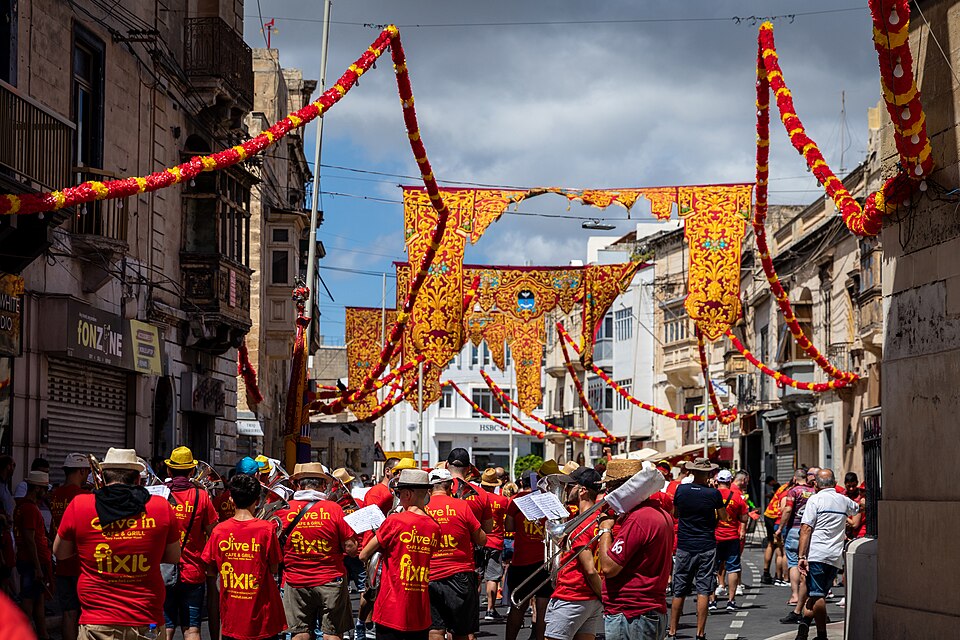
Photo credit: Terry Caselli
One of the only village feasts that carry out the main procession by night, Birkirkara starts the procession from eight in the morning, so get there early if you want to see the beginning of the feast celebrations. Under a soft dawn, celebrants lining the streets, you can watch statue bearers carry the massive silver statue of St. Helen through the streets and then return to the Collegiate Basilica of St. Helen at a run.
After the statue finally enters the church, the streets erupt in a day-long street party, with drinking, dancing, and singing.
How to get to Birkirkara from Number 11 – Handwritten Collection:
Bus route 202 helps you out again; board direction Rabat and stop at the Birkirkara or Psaila bus stops, and from there it’s a short walk to the St. Helen Basilica.
August 30 – St. Julian’s – Feast of St. Julian
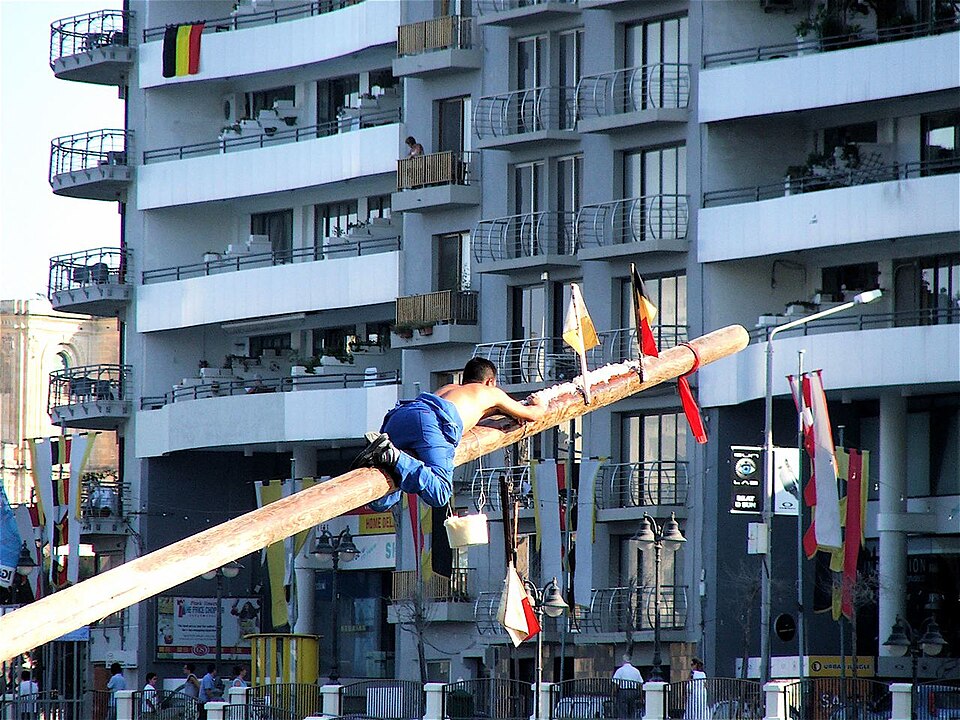
Photo credit: Know Malta – Peter Grima
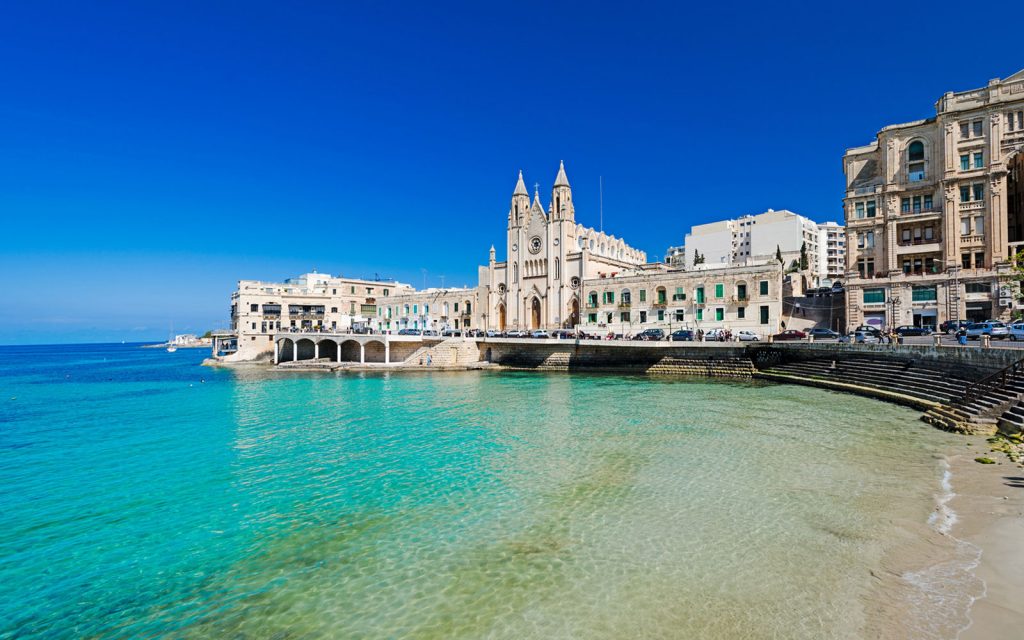
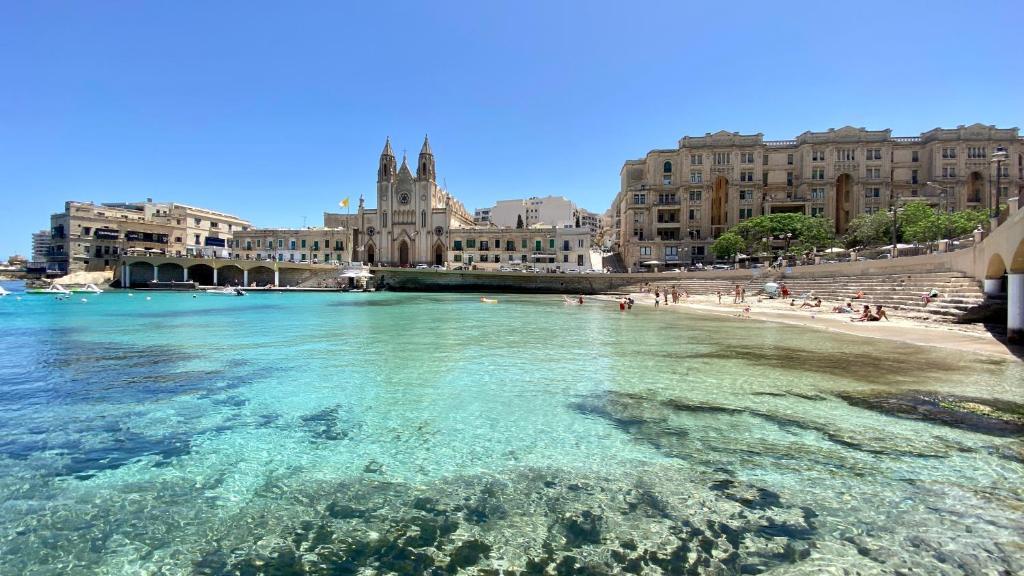
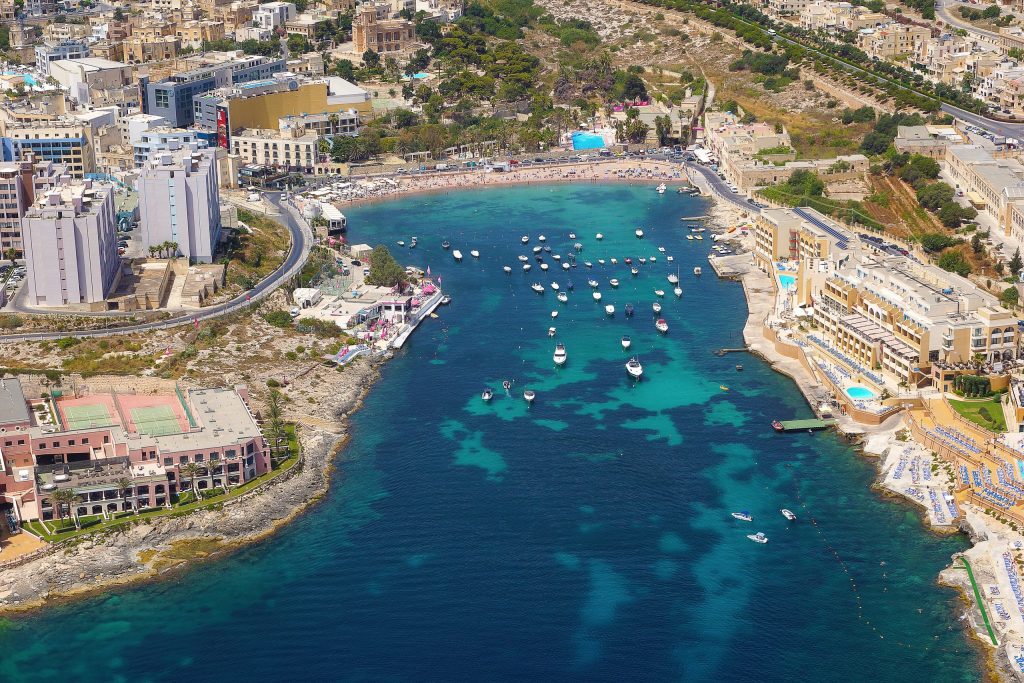
If you’re staying at Number 11 – Handwritten Collection, you should make attending the St. Julian’s village feast number one priority. Held across an entire week, with the decorating of the town taking place the Monday prior, St. Julian’s transforms overnight with lights and local events.
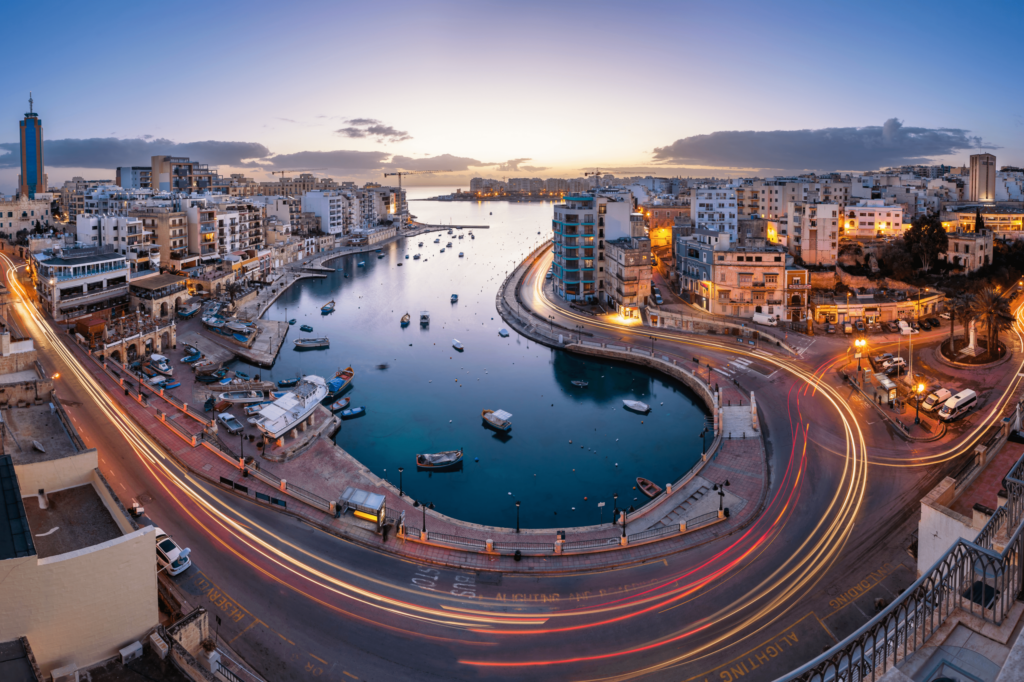
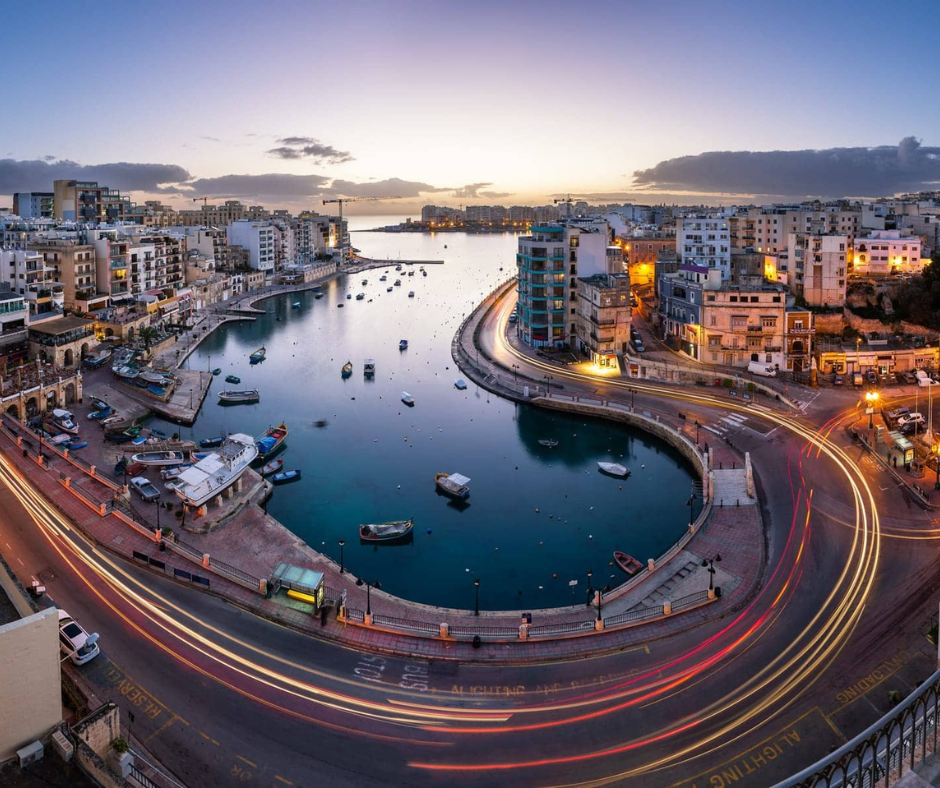
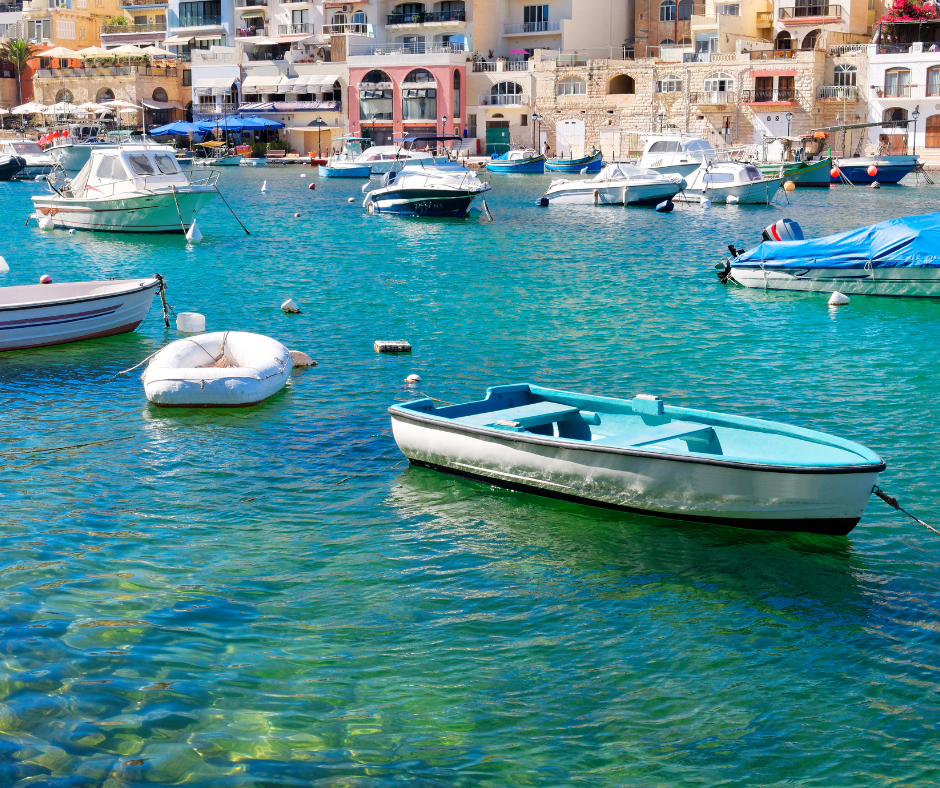
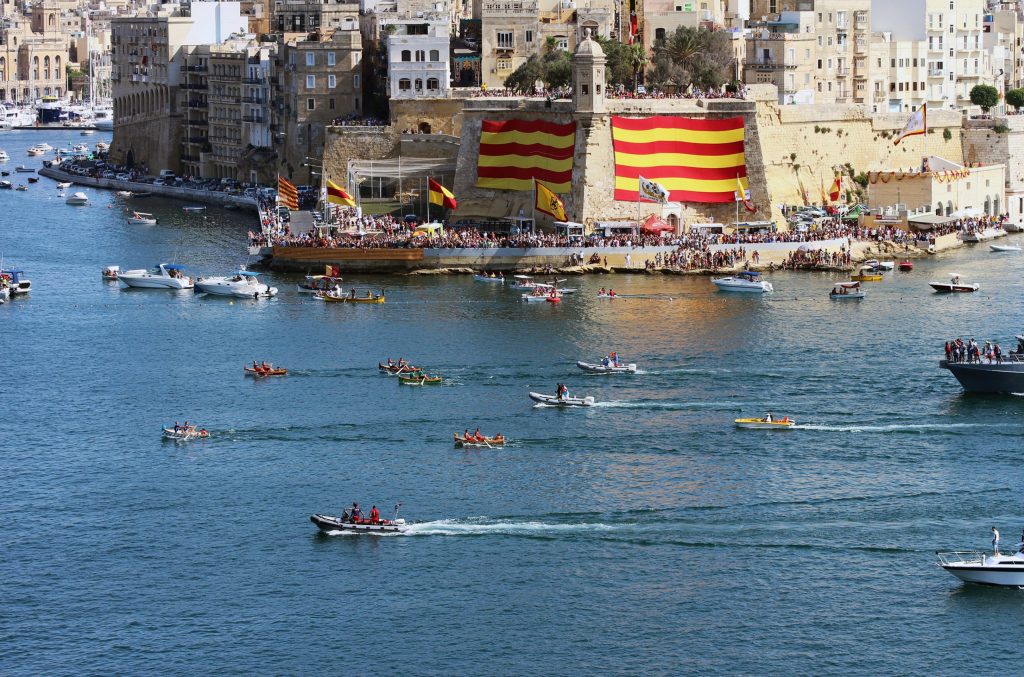
But the peak of festivities happen on Saturday and Sunday afternoon, where locals attempt the Ġostra, a 2-3 hour battle between visitors to run up a greased pole and grab a flag dangling over Spinola bay. With a fireworks display in the evening, Sunday street parties, and an evening procession where the statue of St. Julian is paraded around the streets, the Feast of St. Julian has an event to suit every traveller’s taste.
How to get to the St. Julian’s village feast from Number 11 – Handwritten Collection:
Simply walk outside the door. Number 11 – Handwritten collection is located just off the main street, so you’ll be able to see most of the feast activities from right outside the hotel. From the brass band march on Sunday morning to the Ġostra competition a two minute walk down to the bay, Number 11 – Handwritten collection is perfectly positioned for you to enjoy this feast.
An exceptional stay
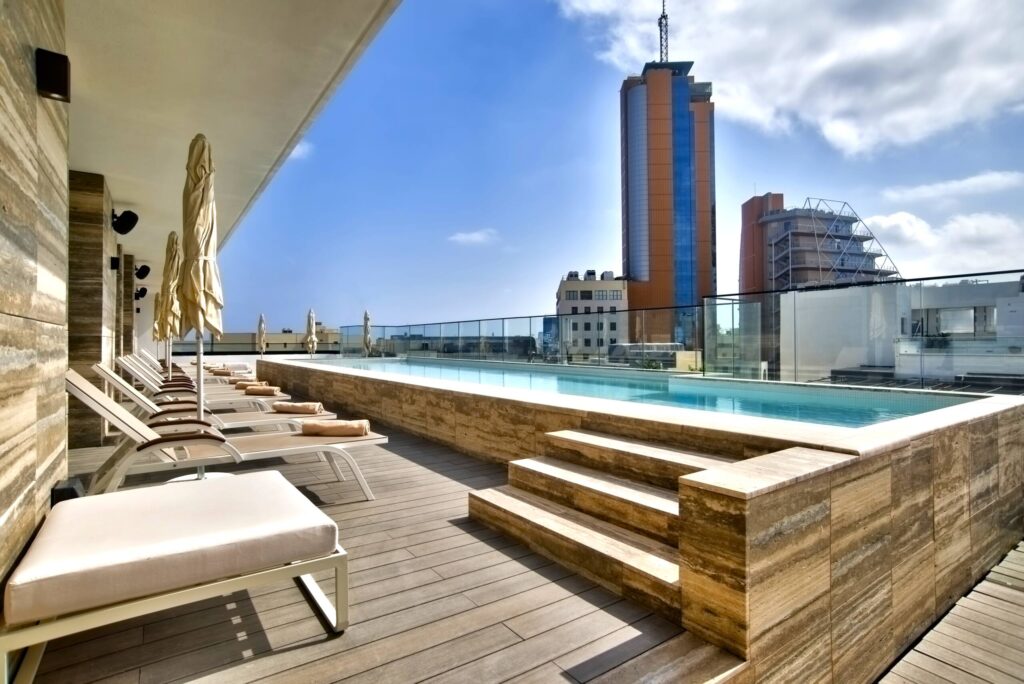
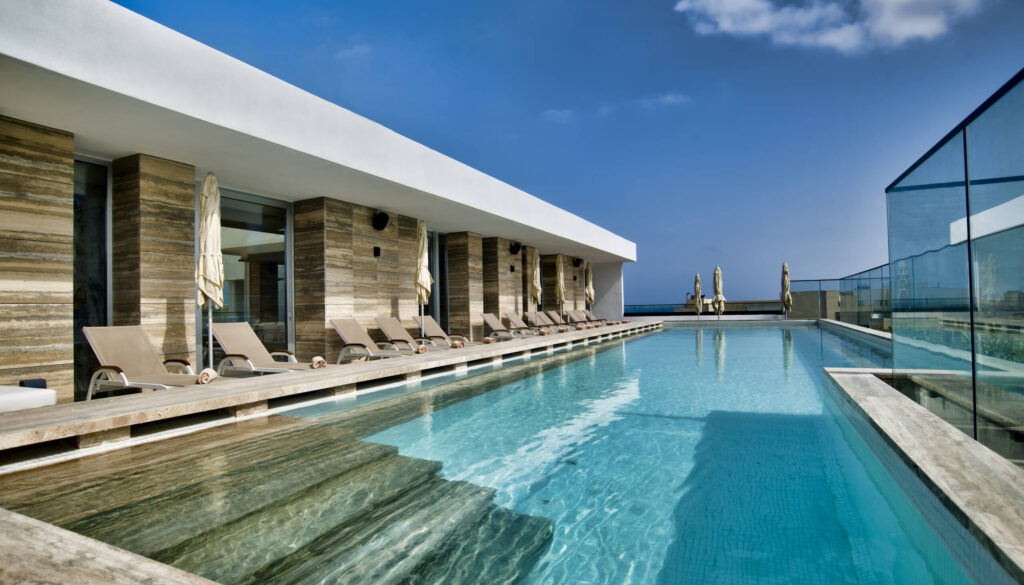
At Number 11 – Handwritten Collection, the central location is just one of the aspects that makes your visit to the Maltese islands remarkable. From the spacious rooms to the in-house restaurant and all its many events, Number 11 – Handwritten Collection takes the fuss out of travelling and makes a fantastic home away from home, especially for the festa season.